Home AWAY FROM HOME
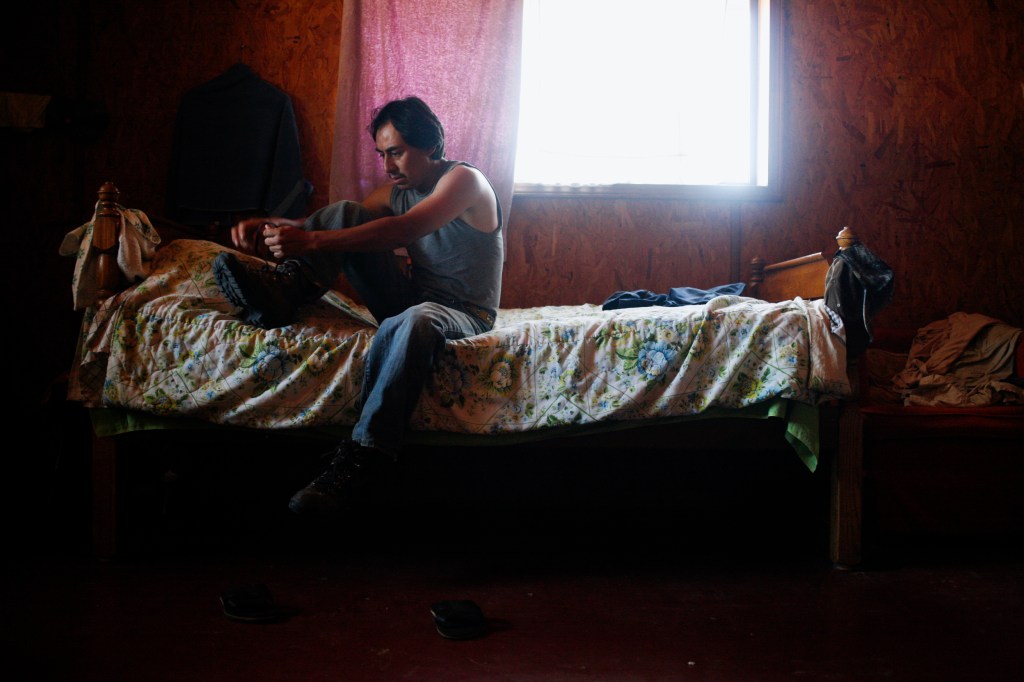
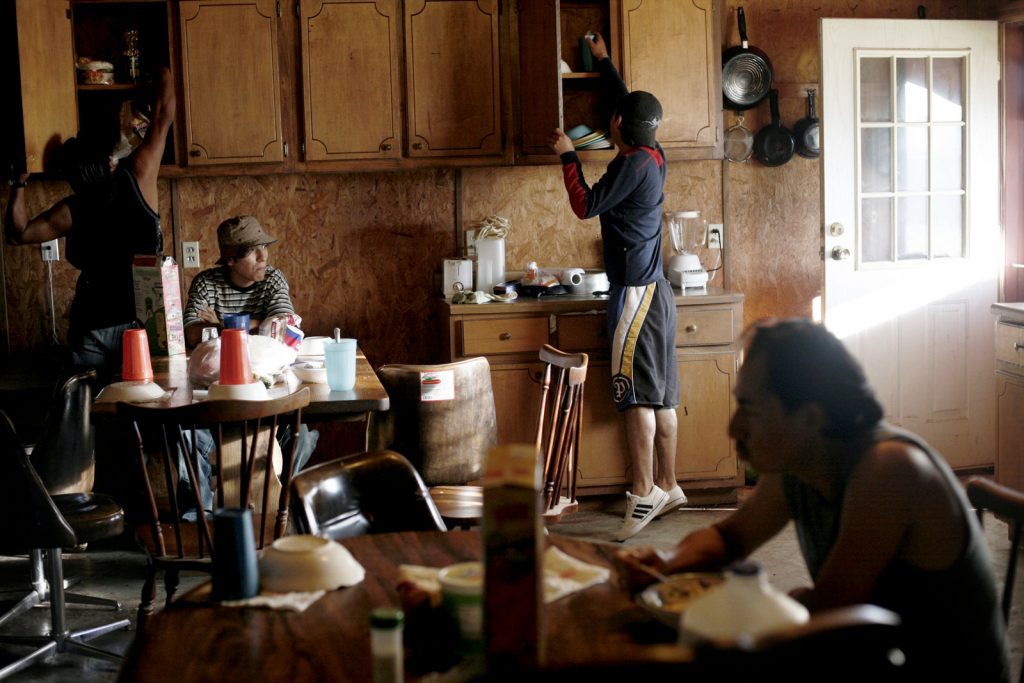
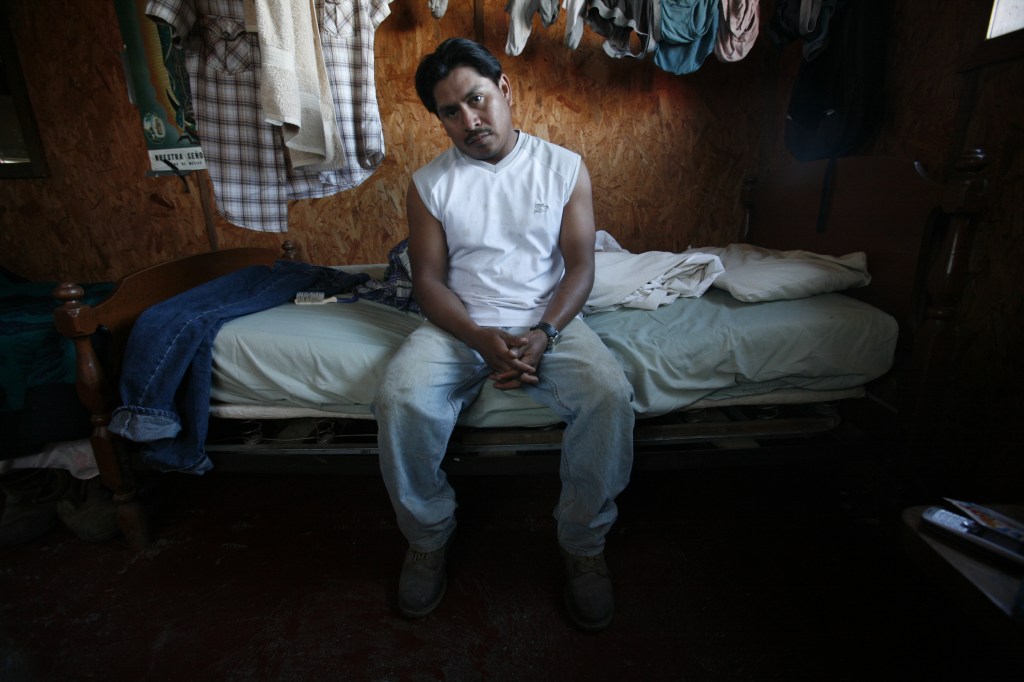
Ten migrant workers from Mexico live together in a house on a Graves County farm. Their labor is poured into another man’s property, but their spirits have created a community of their own.
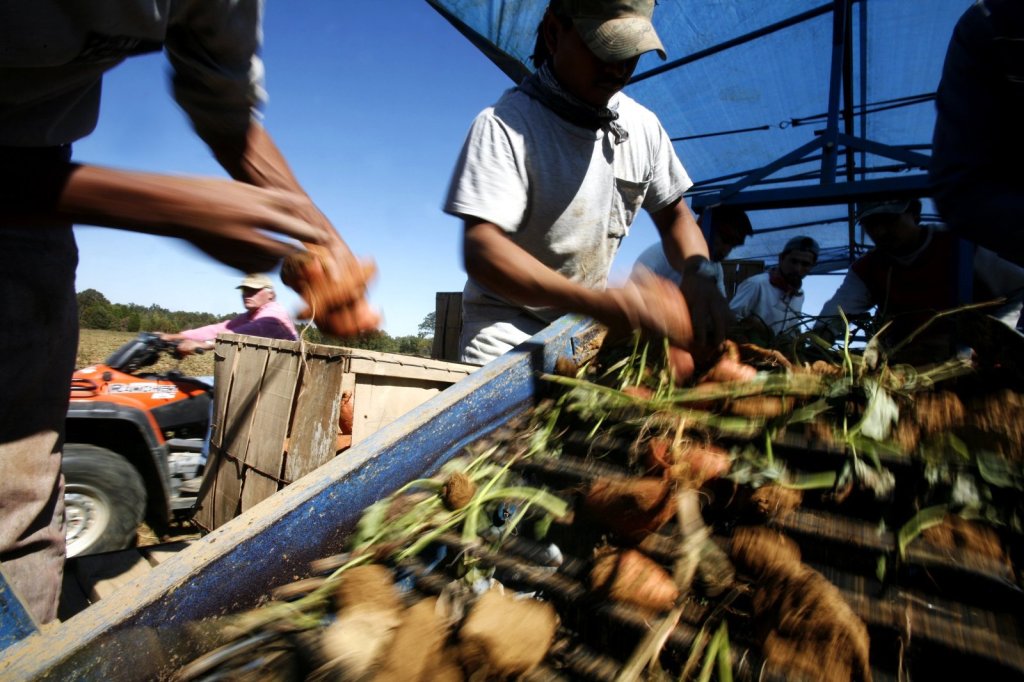
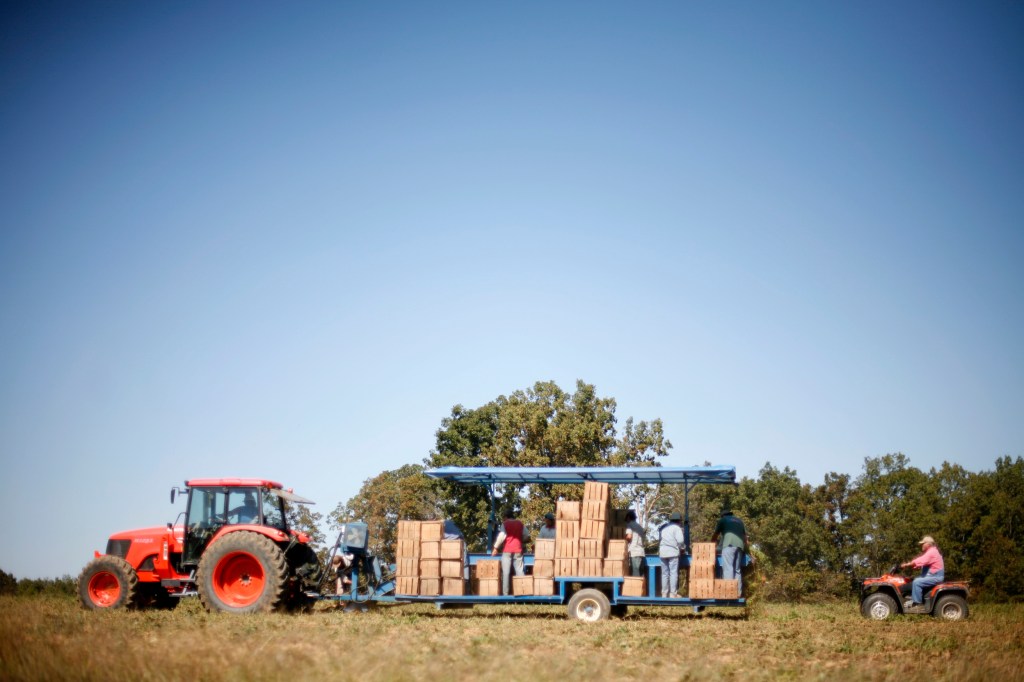





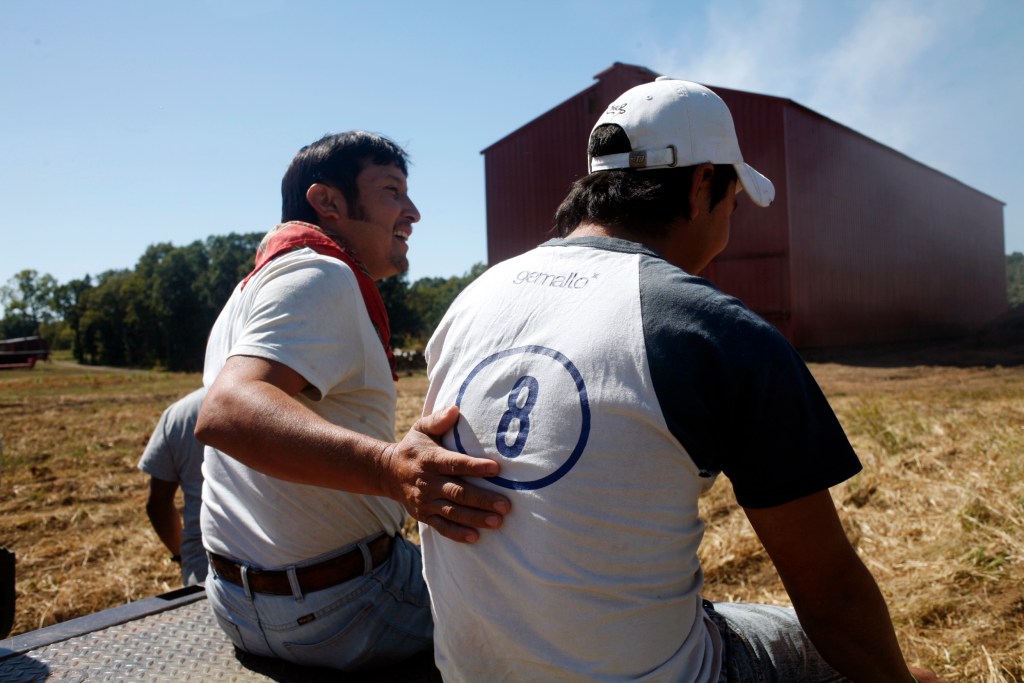

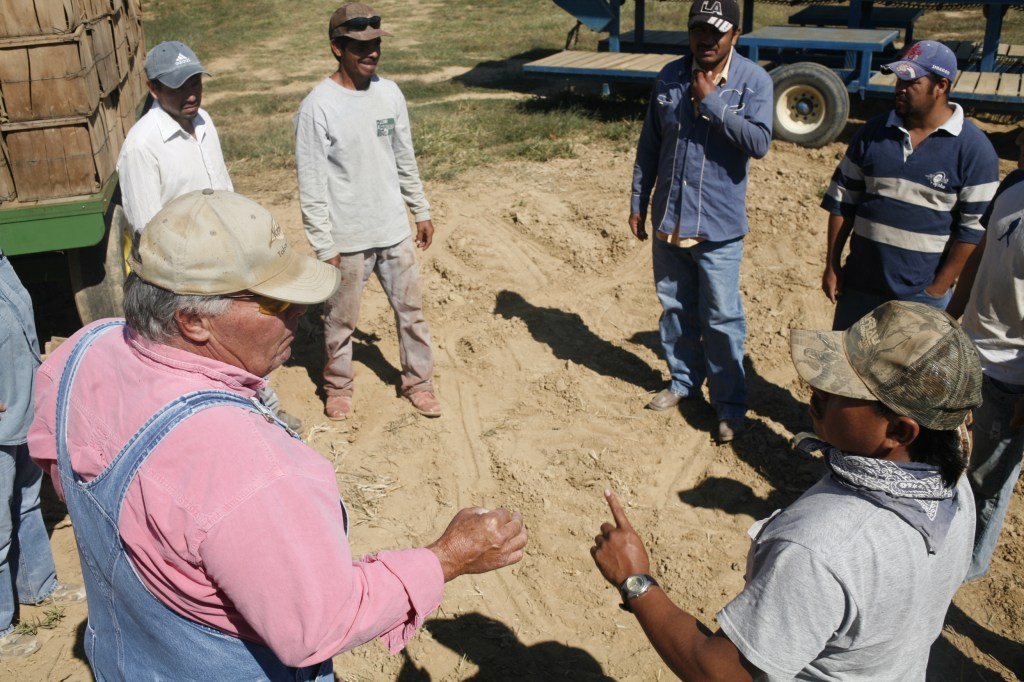

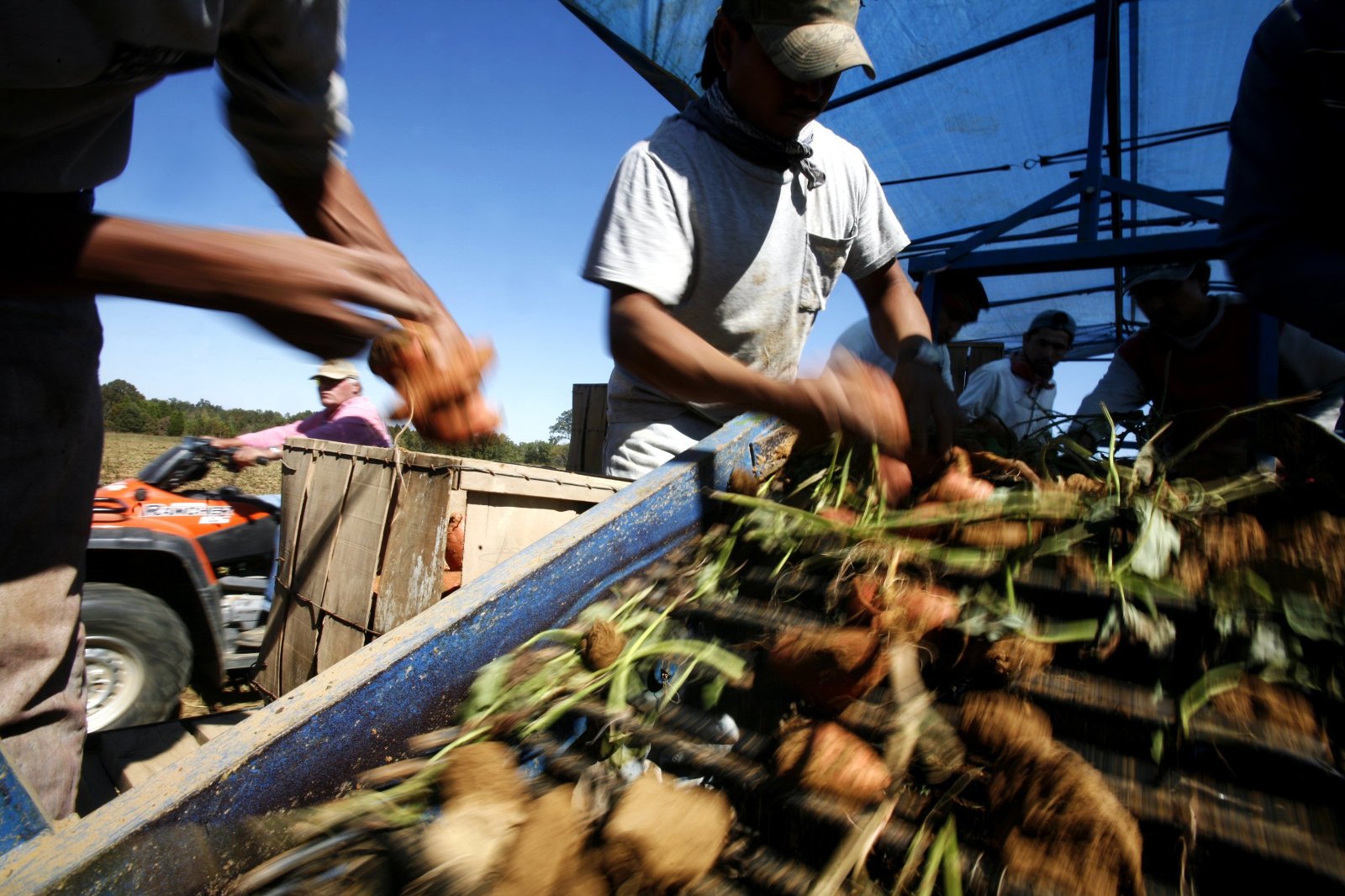


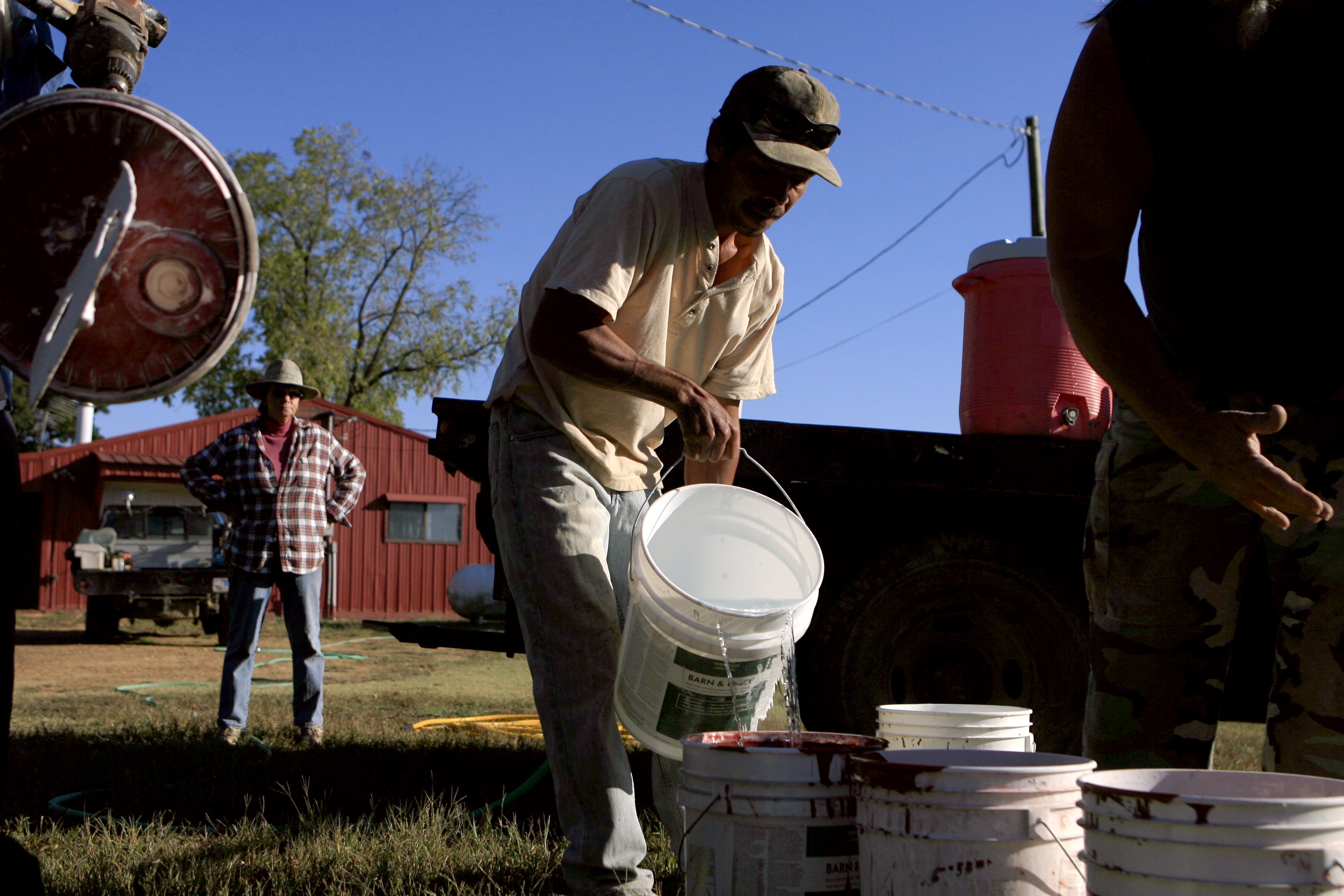
After working with migrant workers from Mexico for the last 11 years, Jerry Barber still communicates using hand signals. Jerry Barber has six new migrant workers that have never harvested sweet potatoes before, so he communicates to Saul Mortinez, a more experienced migrant worker, what must be done and Mortinez tries to translate. It will take four days of work to clear one field of sweet potatoes. “You show them one time and you can go off and leave them in the field.” said Jerry Barber.





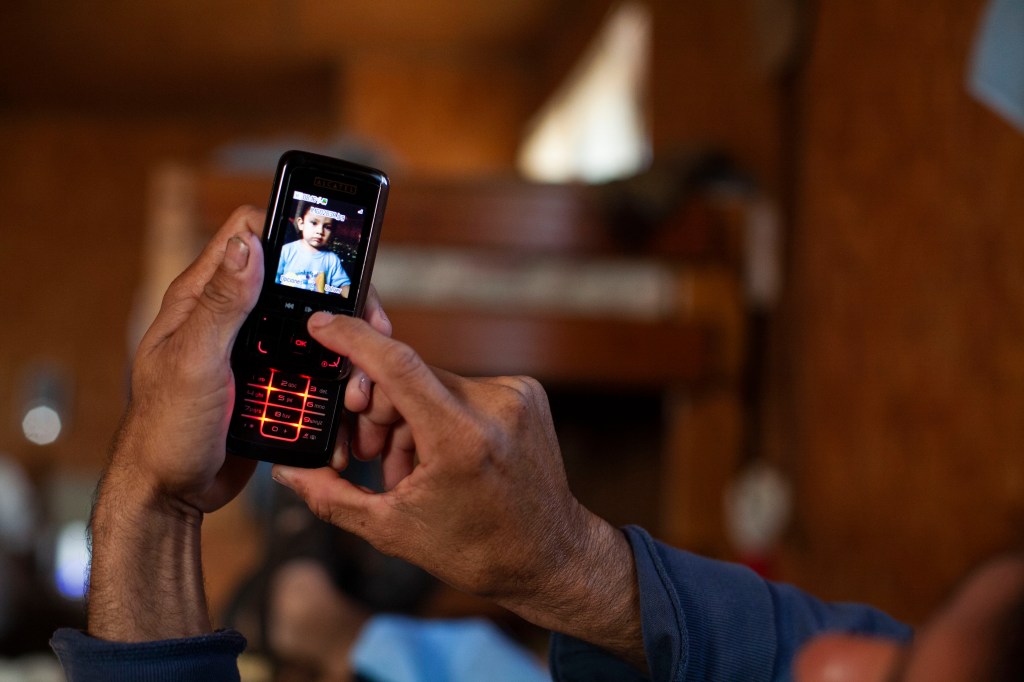
Many of the men express that the distance from Kentucky to Mexico mirrors the emptiness in their heart. Angel Rodriguez Castillo, 34, is one of those men at Jerry Barber Farms that misses home. During his birthday he walked outside to speak with his wife Yadira Lopez on the phone while other workers watch T.V., listened to music and prepared dinner. Castillo and the other migrant workers use calling cards in order to afford the long distance calls home. After the call Castillo looked at pictures of his son Maximo, 1.
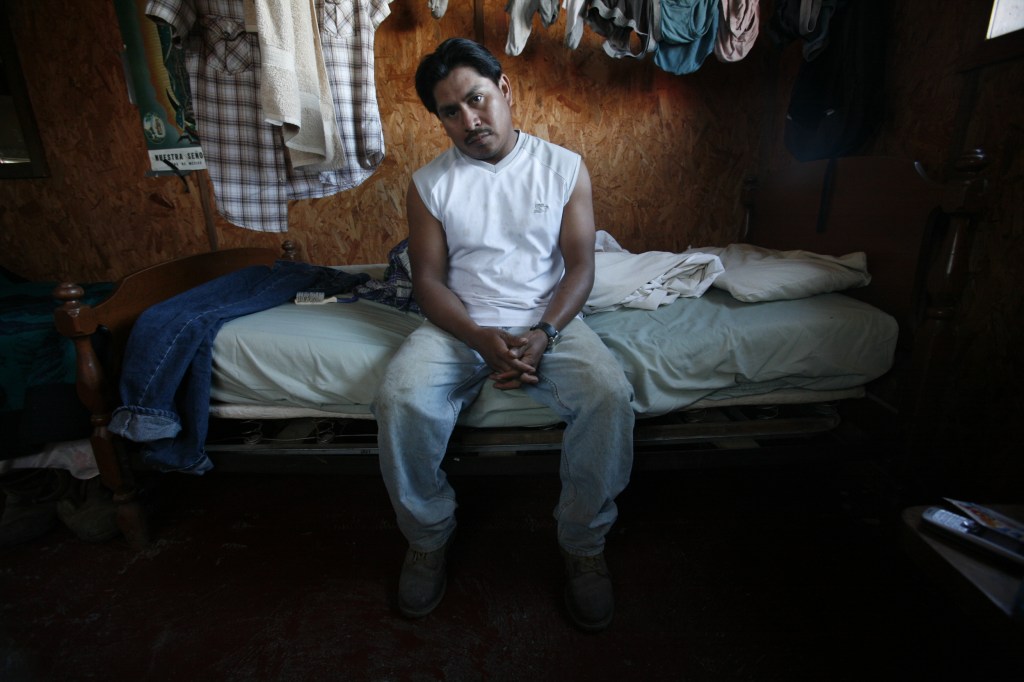

Lino Cortes, 40, whose wife died last year, has four children. For the past nine years he has worked on Barber’s tobacco farm nine months out of the year, hoping to save enough money to send his children to college.

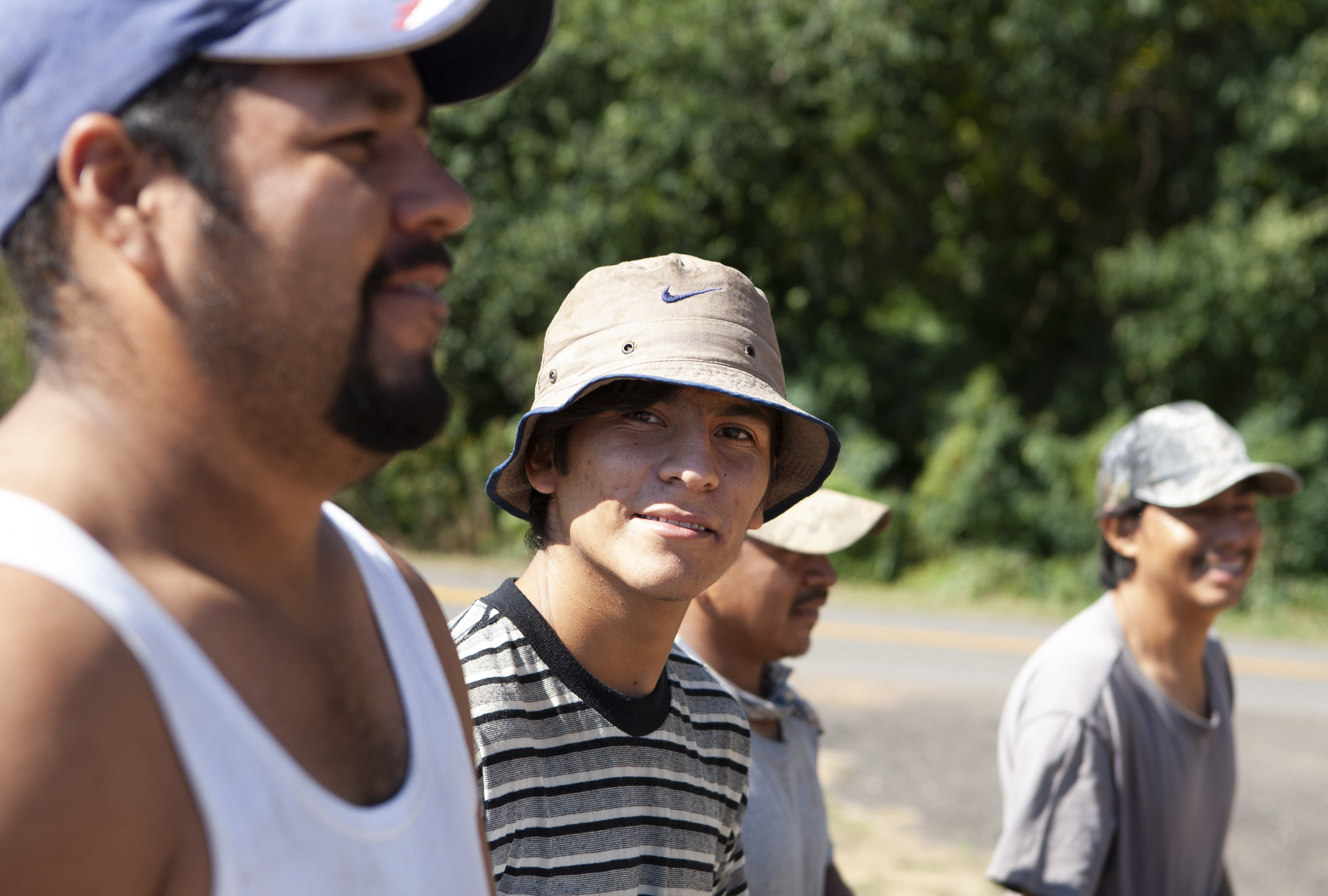
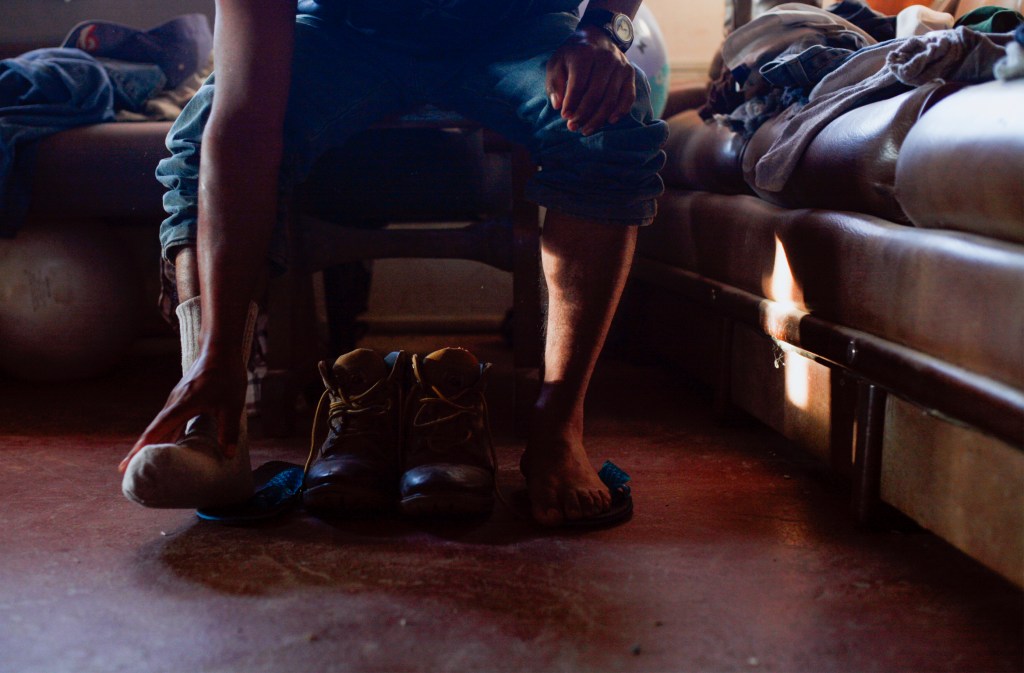
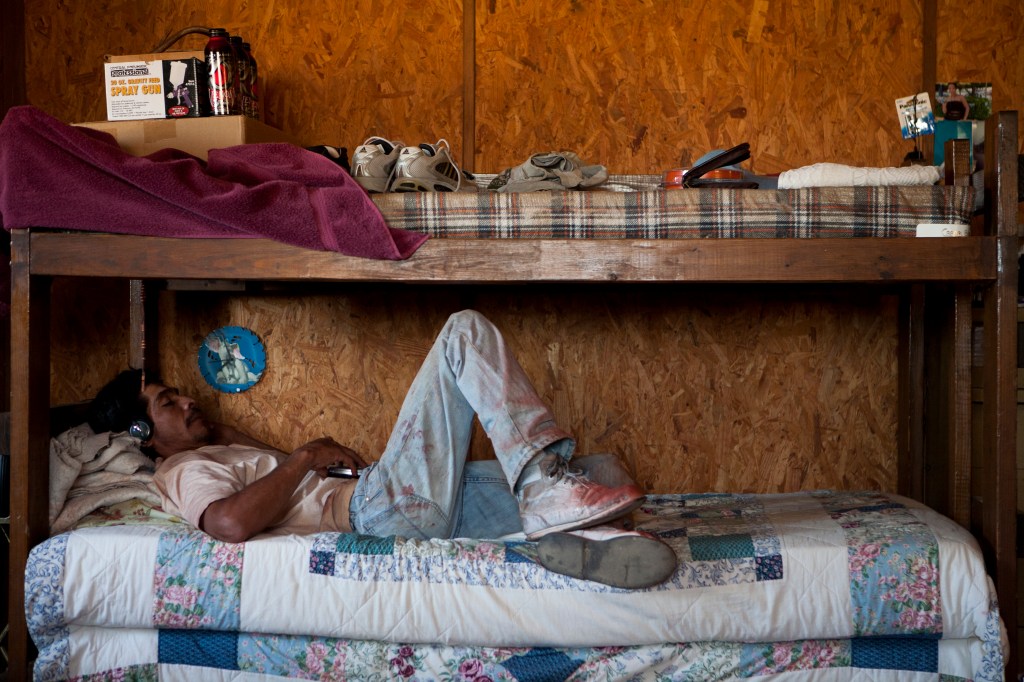
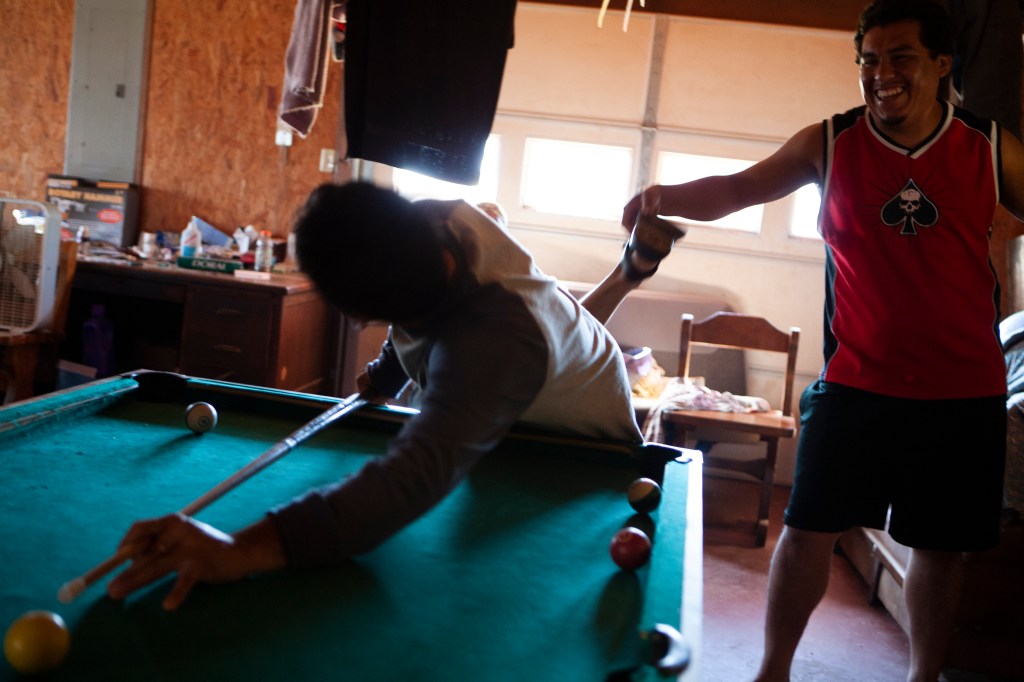
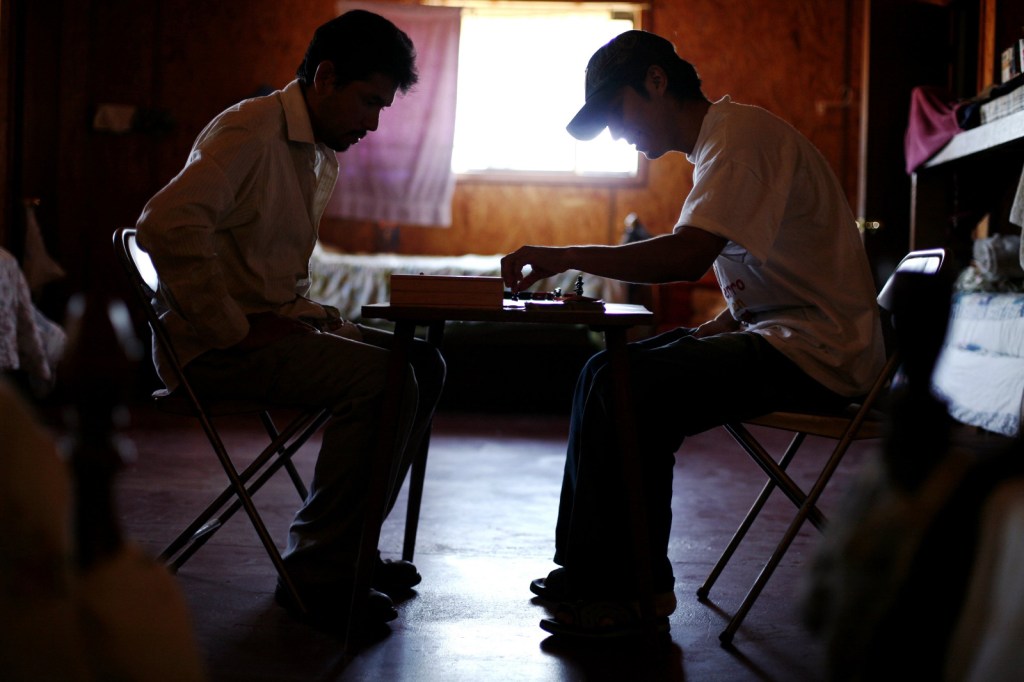
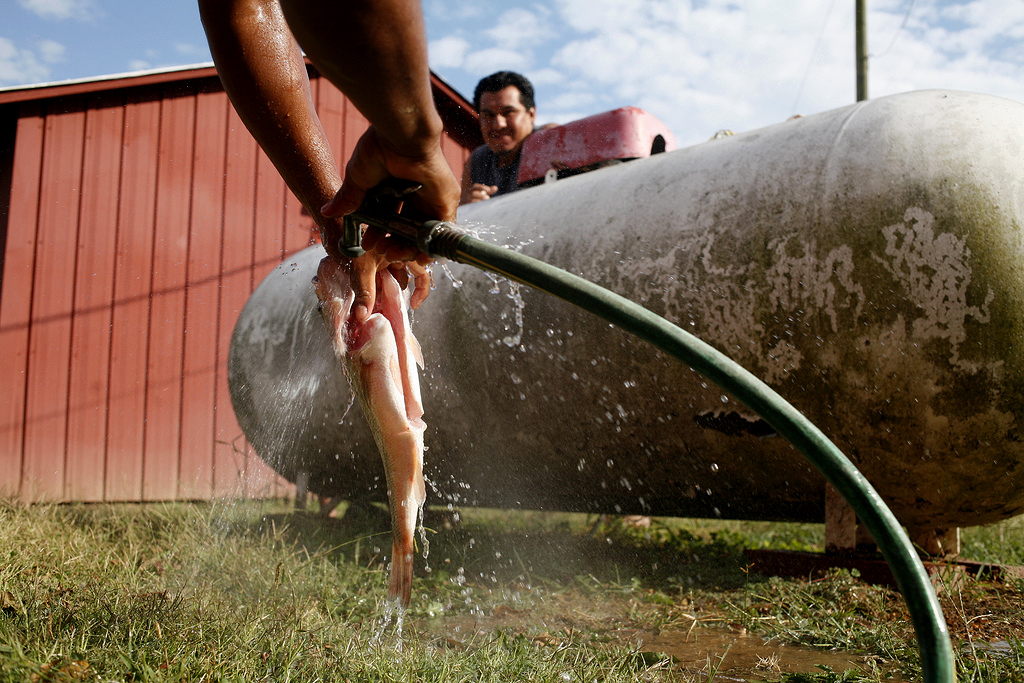
In constant company with other workers from Mexico, the men on Jerry Barber Farms have grown to become a family of their own. They cook together, sleep together, cram themselves all in a bathroom in the mornings, laugh and relax with one another. In the house they live in it is their time to just be themselves.
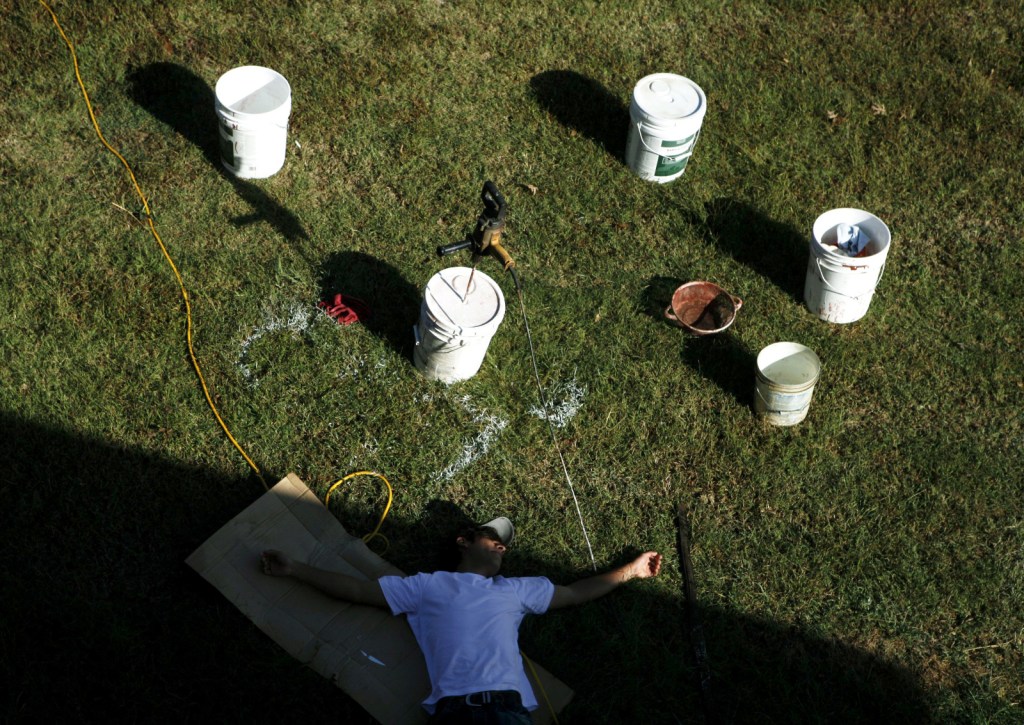
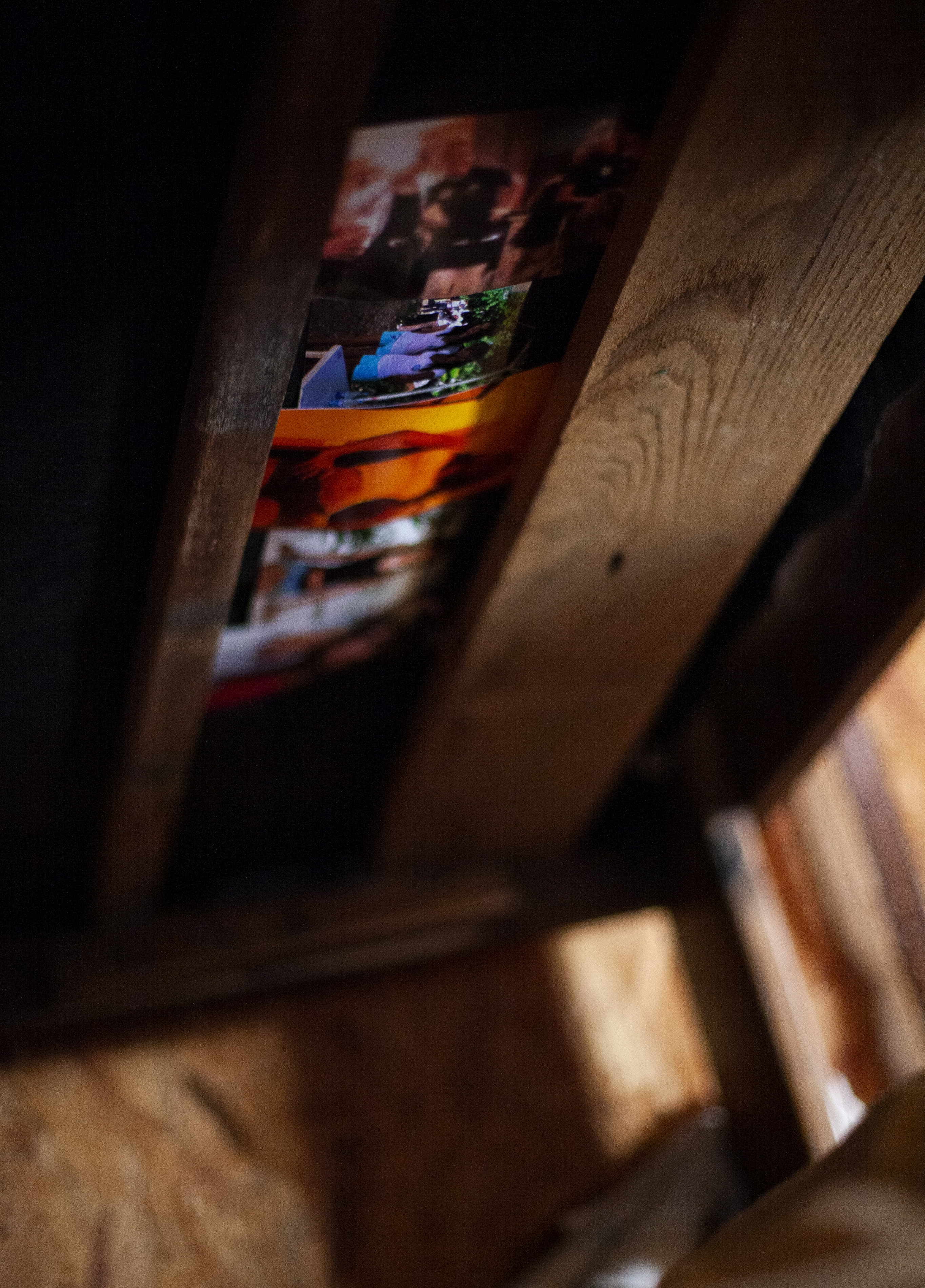
“These people are something else,” said farm owner Jerry Barber. “They are beautiful people, work like horses and are very family-oriented.” Wedged above the workers’ bunk beds and pressed in their wallets are pictures of wives and children far away. Inside the house, the television is tuned to Spanish-language programing, someone is almost always cooking and laughter echoes though the space.
Lino Cortes has four children: One attends university, one works in North Carolina and two others are still in school in Mexico. Cortes’ labor in the United States allows him to send home about $150 weekly. That money will help his youngest go to college. “Maybe they would come to visit me here,” the proud father said, but neither will need to move to the United States for good jobs, “because they will have finished university.”
The long bus journey to Mayfield, and workdays as long as 12 hours, don’t bother Jose Guadelupe. Savings from his U.S. earnings will help him finish college in Mexico. He talks to his mother on his cell phone once or twice a week. Guadelupe characterized his relations with Jerry as distant. The men stay on the Barber property almost all the time, but the owner doesn’t come around much during their off hours. They’re only permitted to go into town on Sundays.
Neither Jerry nor his son Chad speak much Spanish, and few of the migrant workers speak much English, so most communication about farm tasks happens through a combination of few words and many gestures. “You show them one time and you can go off and leave them in the field,” Chad Barber said.
The men have faith that hard work will earn them and their families’ better lives in the future. “We work, and wait,” said Guadelupe.
 Jenny Kane